Easy Delicious Elderflower And Lemon Mocktail Recipe
Learn how to make a delicious elderflower and lemon mocktail. This refreshing, alcohol-free drink is perfect for warm summer days and parties.
Read article →Learn nutrition, meal prep, budgeting, and more. Expert guides delivered to your inbox.
Get free guides, recipes, and expert tips delivered to your inbox weekly
Every reason works on its own — but together they explain why plant-based eating is the fastest-growing food movement of the decade.
Well-planned plant-based diets are linked to lower rates of heart disease, type 2 diabetes and high blood pressure. You get more fibre, more antioxidants, and naturally less saturated fat — without counting a single calorie.
Shifting just a few meals a week to plants is one of the highest-impact climate actions an individual can take — bigger than switching to LED bulbs or driving less.
Dry beans, lentils, rice, oats and seasonal veg are some of the cheapest ingredients in the store. Our budget guide shows a full weekly shop for under $40.
Browse all recipes in this category
Browse all recipes in this category
Browse all recipes in this category
Browse all recipes in this category
Browse all recipes in this category
Browse all recipes in this category
Most people who quit going plant-based do it in the first two weeks — usually because they tried to change everything at once. This gentle 7-day plan flips that.
The single biggest reason people abandon a plant-based diet in the first two weeks is not missing meat. It is the overwhelming feeling of not knowing what to eat — opening the fridge and finding nothing that seems straightforward, standing in a supermarket aisle paralysed by ingredients, or spending an hour cooking something that tastes flat and disappointing. This plan is designed to remove all of that.
Instead of asking you to change everything overnight, this seven-day plan introduces one small change per day, building on what you already know and eat. By day seven, you will have all the tools, habits and pantry staples to maintain a plant-based lifestyle without daily effort. The goal is not perfection — it is momentum.
A note on nutrition before you start: this plan is about transitioning, not optimising. Focus on eating enough, eating varied and enjoying the process. Full nutritional guidance — including B12 and other key nutrients — is covered in our dedicated nutrition guides.
Breakfast is the easiest meal to convert because most of us eat the same thing every day. Replace dairy milk with oat, soy or almond. Oat milk is the most popular choice for coffee and cereal because of its neutral, slightly sweet flavour. Soy is the best nutritional match for dairy, with comparable protein. Almond is light and good for smoothies.
Trade eggs for a tofu scramble or overnight oats with peanut butter and banana. Tofu scramble takes under ten minutes: crumble firm tofu into a pan with a little oil, add turmeric for colour, nutritional yeast for a savoury depth, salt, pepper and garlic powder. Eat it on toast. That is it for day one — lunch and dinner stay exactly as they are.
Why breakfast first? Because changing one meal at a time is psychologically much easier than changing all three. You will feel a small win on day one, which makes day two feel achievable.
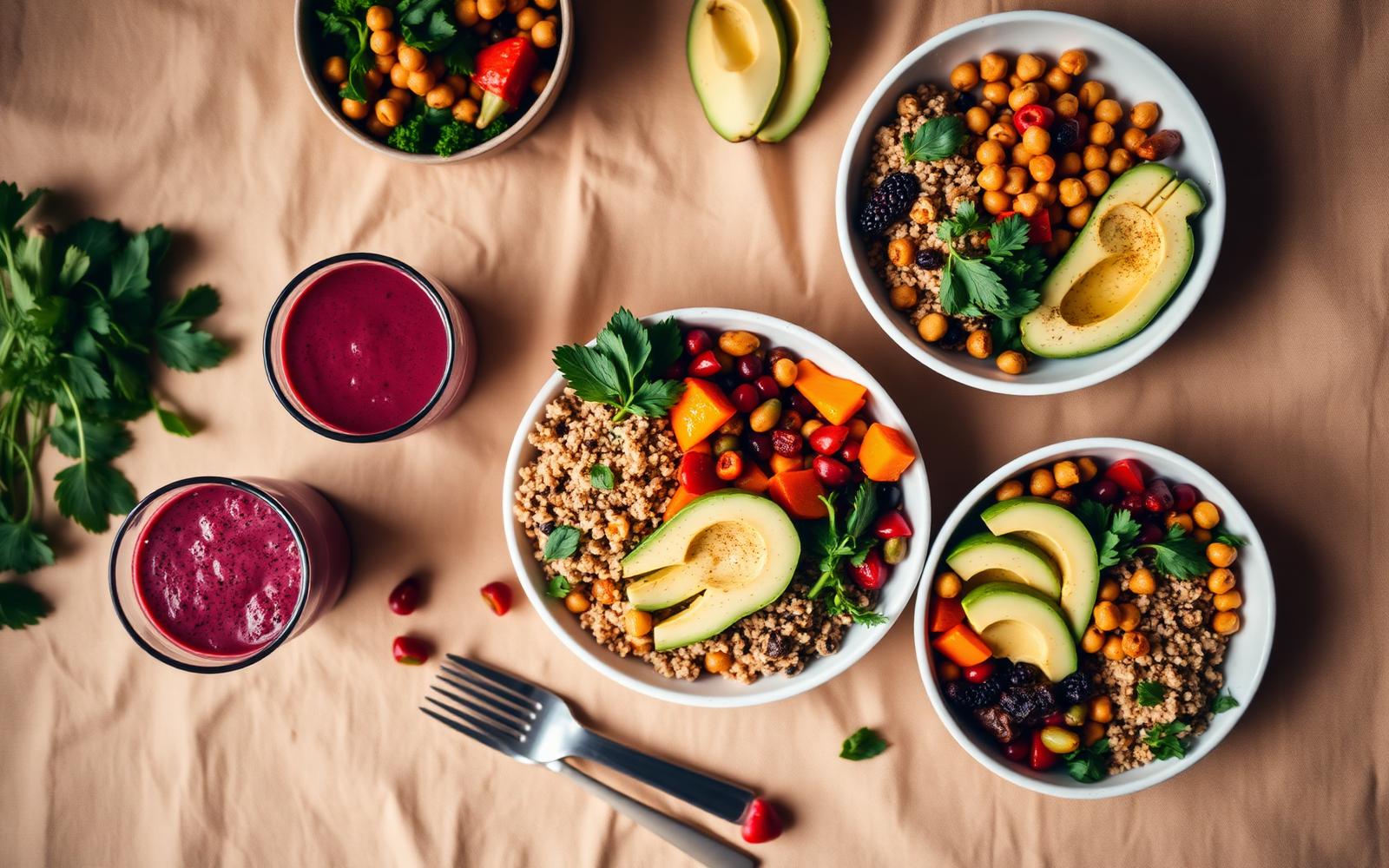
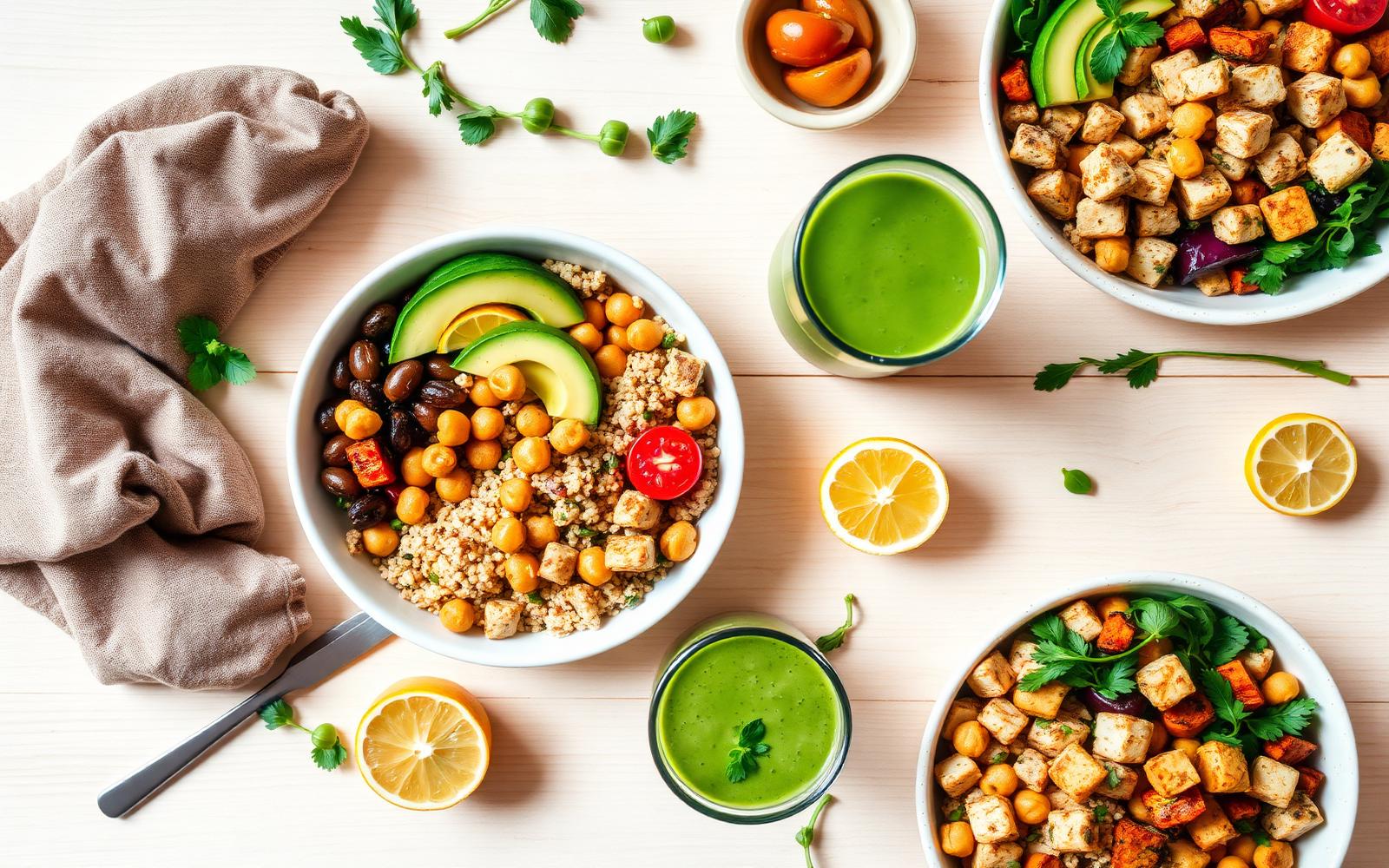
Pick a lunch you already love and find its plant version. A grain bowl with rice, roasted veg and hummus. A hearty lentil soup with sourdough. A wrap with black beans, avocado and salsa. Pasta with marinara and a handful of spinach. Most cuisines already have dozens of plant-based dishes that are not trying to imitate meat — they simply are not built around it.
Cook once, eat twice — the leftovers become tomorrow's lunch. This is not just about convenience; it is a foundational habit. Plant-based cooking is disproportionately rewarding when batched, because the same pot of lentil soup gets better on day two, and the grain bowl components are faster to assemble the second time.
If you are eating at a desk or need something grab-and-go, hummus and vegetable wraps require zero cooking. A banana with peanut butter and a handful of nuts is a complete, sustaining lunch on a busy day.

Learn how to make a delicious elderflower and lemon mocktail. This refreshing, alcohol-free drink is perfect for warm summer days and parties.
Read article →
Discover our delicious vegan poke bowl recipe. It uses marinated watermelon for a fresh, healthy, and plant-based twist on a classic Hawaiian seafood dish.
Read article →
Discover our delicious vegan quiche recipe. It is packed with plant-based protein, healthy spinach, and incredible flavor for a perfect weekend brunch.
Read article →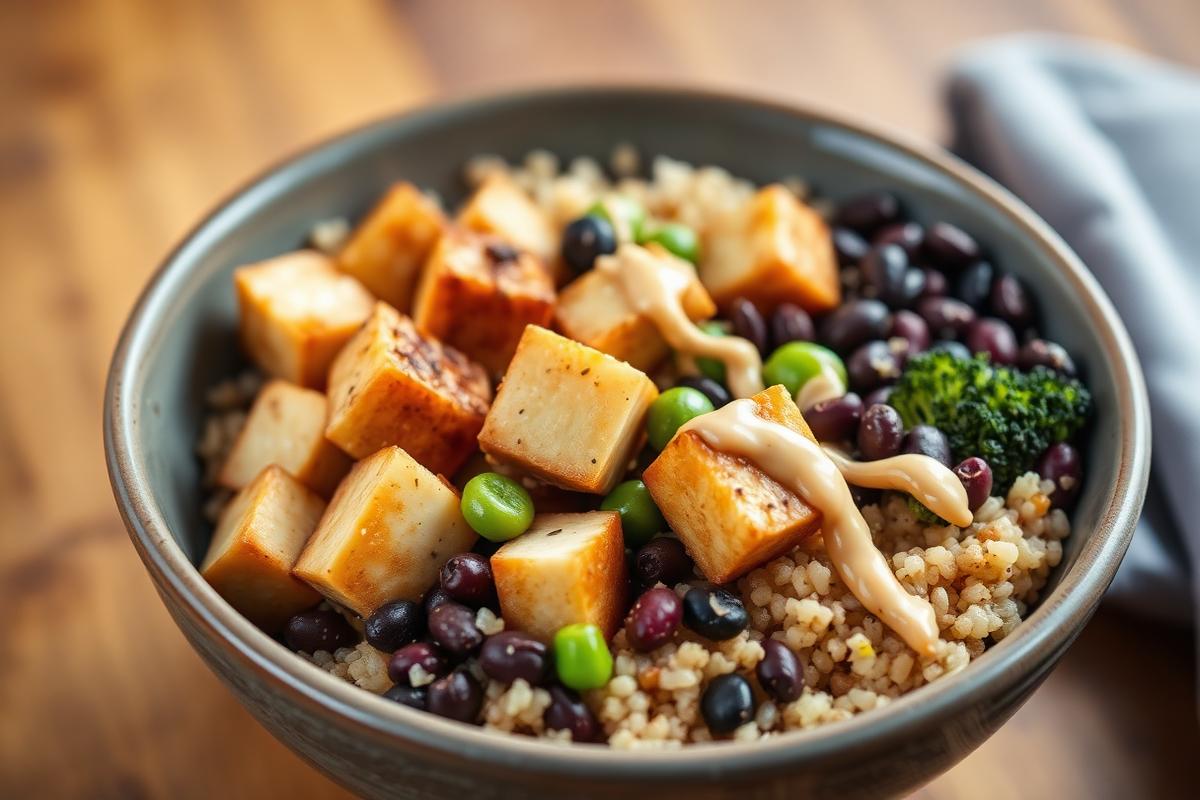
The old "you must combine rice and beans in the same meal" advice was debunked decades ago. If you eat a varied diet across the day, your body pools amino acids and builds complete proteins on its own.
Read guide →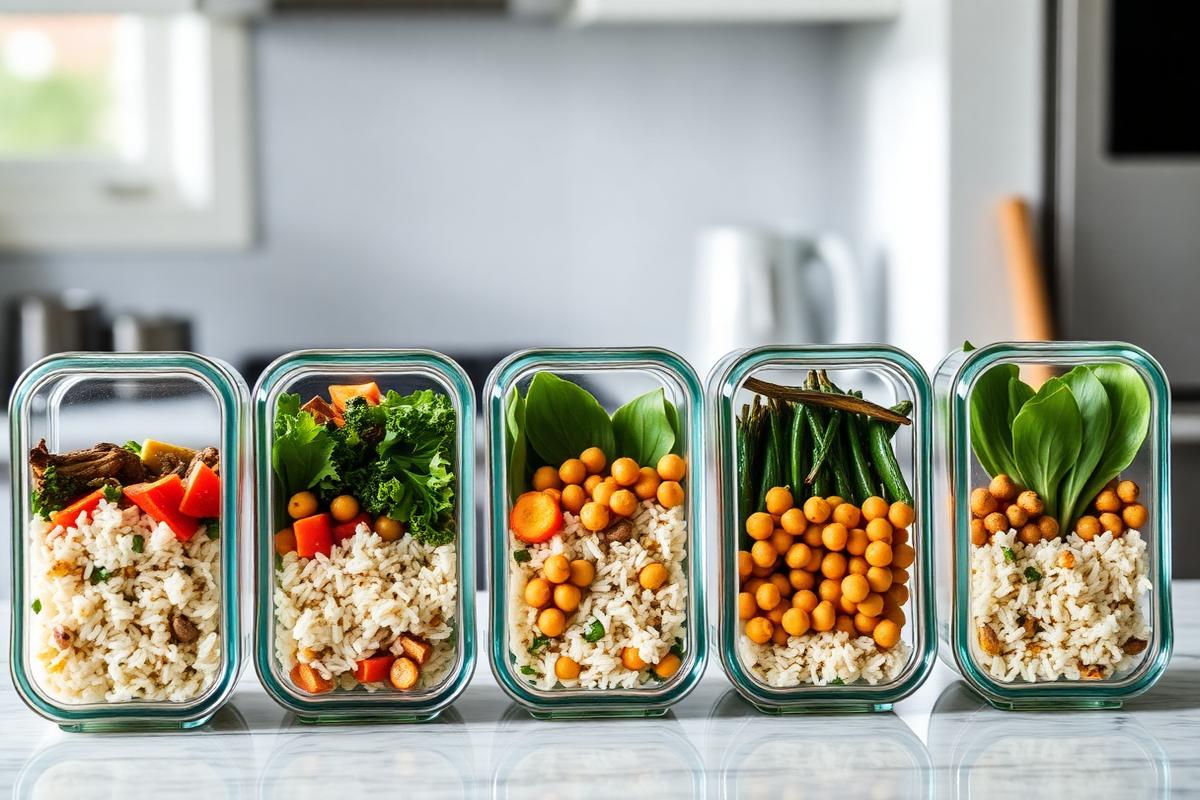
The secret to plant-based meal prep isn't cooking five identical containers — it's cooking components.
Read guide →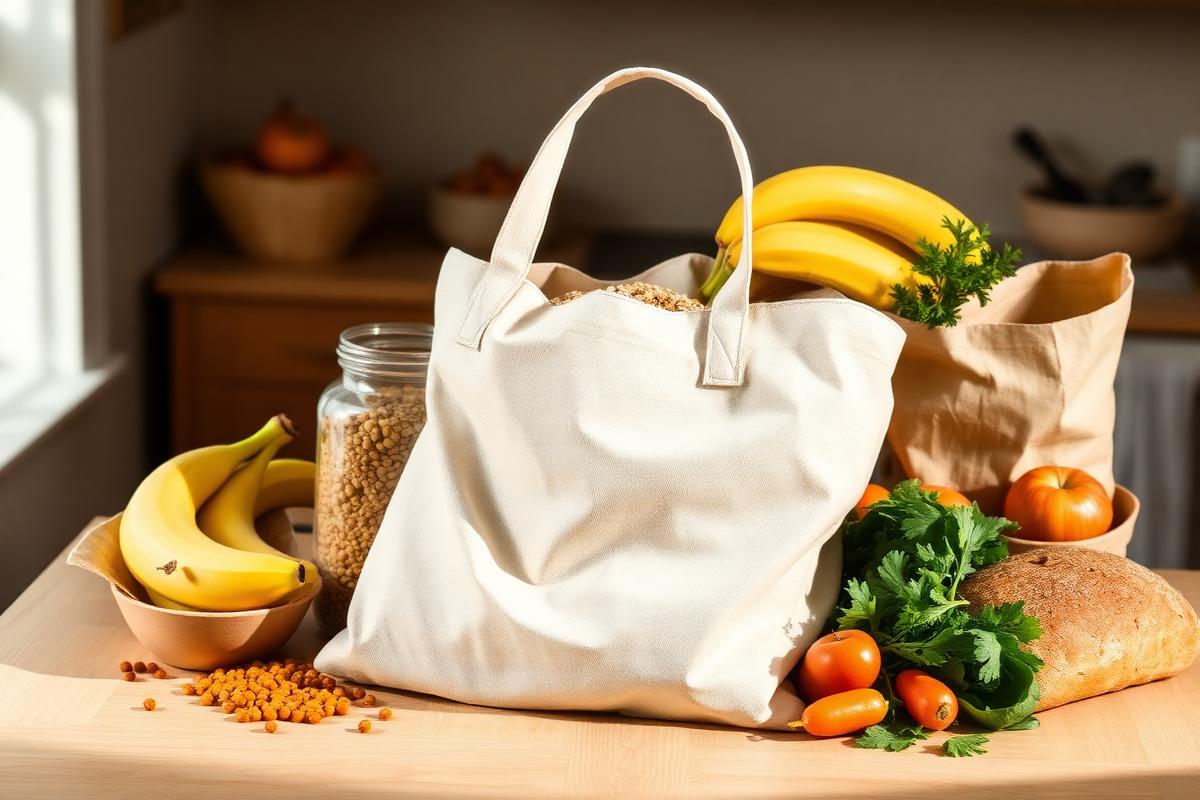
A full week of plant-based meals for one person for under $40 is not only possible — it's what most of the world already does.
Read guide →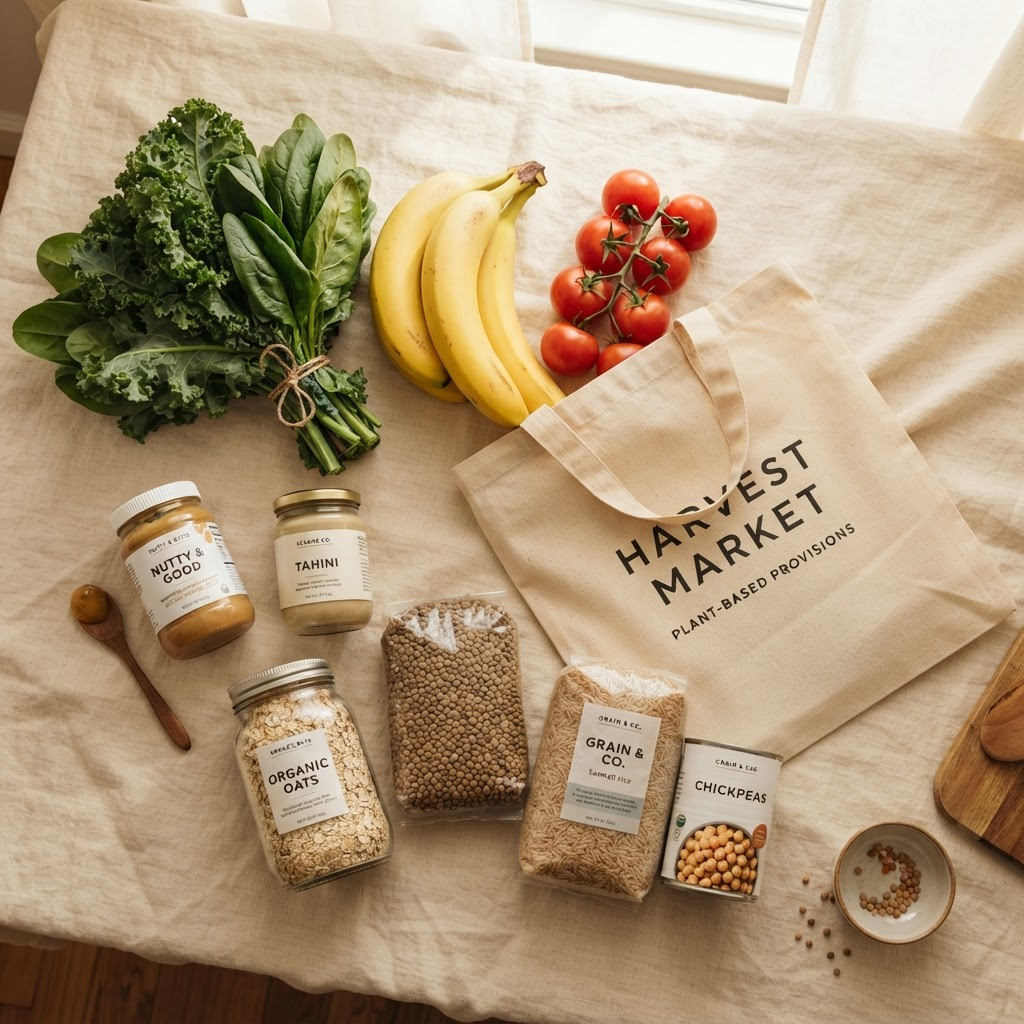
Most first-time vegan shoppers leave the store with a cart full of expensive meat alternatives and not much else. This list flips that: staples first, extras later.
Read guide →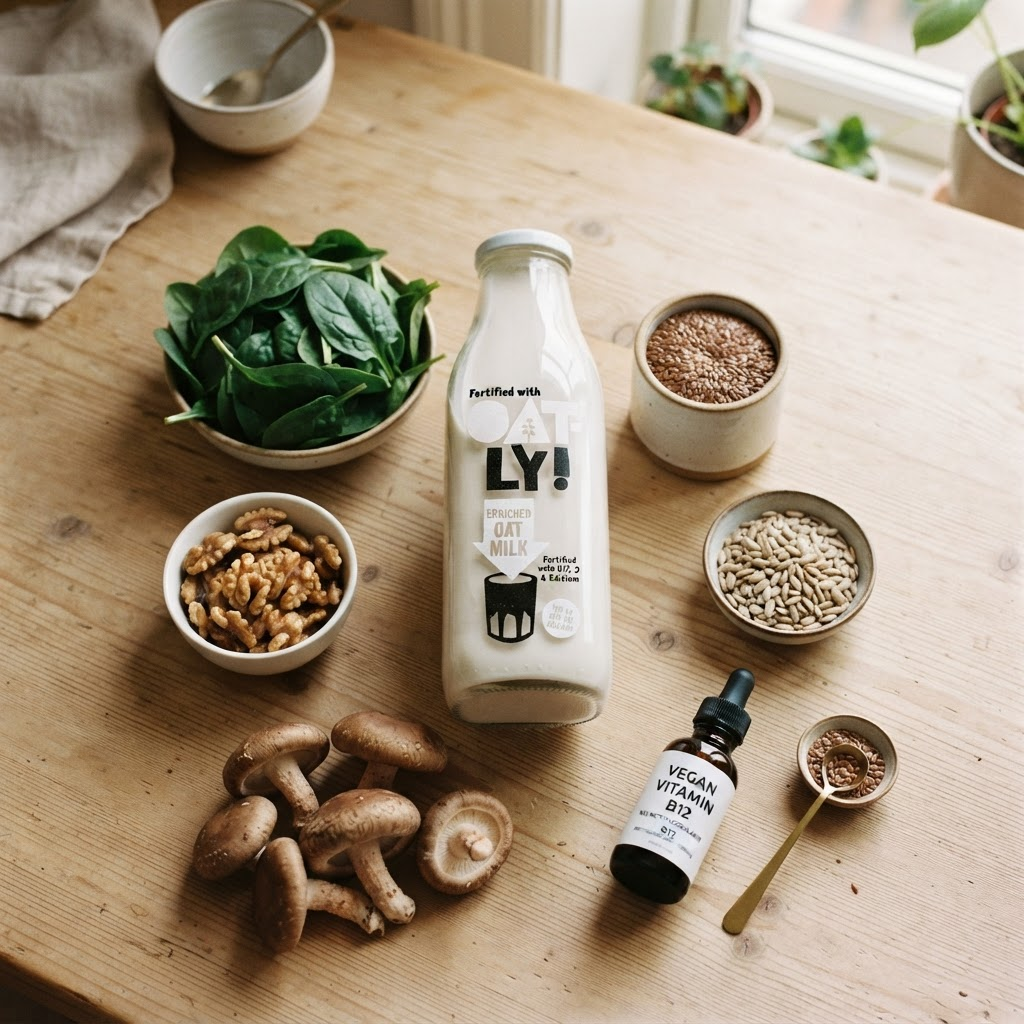
Most vegan deficiency fears are overblown. A handful of nutrients genuinely deserve attention — but once you understand them, they are easy to manage.
Read guide →It doesn't have to be. Beans, lentils, rice, oats, seasonal vegetables and frozen produce are some of the cheapest foods in the store. Expensive vegan cheese and meat replacements are optional — most everyday vegan meals cost less than their meat-based equivalents.
Tofu, tempeh, edamame, lentils, chickpeas, beans, seitan, quinoa, oats, peanut butter and vegan protein powder. A single cup of cooked lentils has about 18g of protein — enough that a typical adult can easily hit 60–100g per day from plants.
B12 is the one nutrient every vegan should supplement. It's made by bacteria, not plants, so a daily supplement or fortified food (nutritional yeast, plant milks) is essential. This is well-established and inexpensive to solve.
Not if you eat a varied diet. Iron: lentils, tofu, spinach, pumpkin seeds — pair with vitamin C (bell peppers, citrus) to boost absorption. Calcium: fortified plant milks, tofu made with calcium sulfate, tahini, kale and broccoli.
Yes. Decades of research on populations that eat soy daily (Japan, China, Korea) show it's associated with lower risk of heart disease and some cancers. Moderate daily amounts — a serving or two of tofu, tempeh, edamame or soy milk — are safe for adults and children.
Yes. The Academy of Nutrition and Dietetics states well-planned vegan diets are appropriate for all life stages including infancy, childhood, pregnancy and athletic performance. Elite athletes across many sports thrive on plant-based diets.
Pick one meal (usually breakfast — the easiest) and make it plant-based every day for a week. Then add lunch. Then dinner. Don't try to overhaul everything at once. Our 7-day guide above walks you through it step by step.
No. Every plant-based meal is a win — for your health, for animals, for the planet. Aim for progress, not perfection. Many people start by going plant-based one or two days a week and expand from there.