Nutrition
Complete Proteins Without Meat — The Real Story
The old rice-and-beans myth debunked — how plant-based eaters get all essential amino acids from everyday foods.
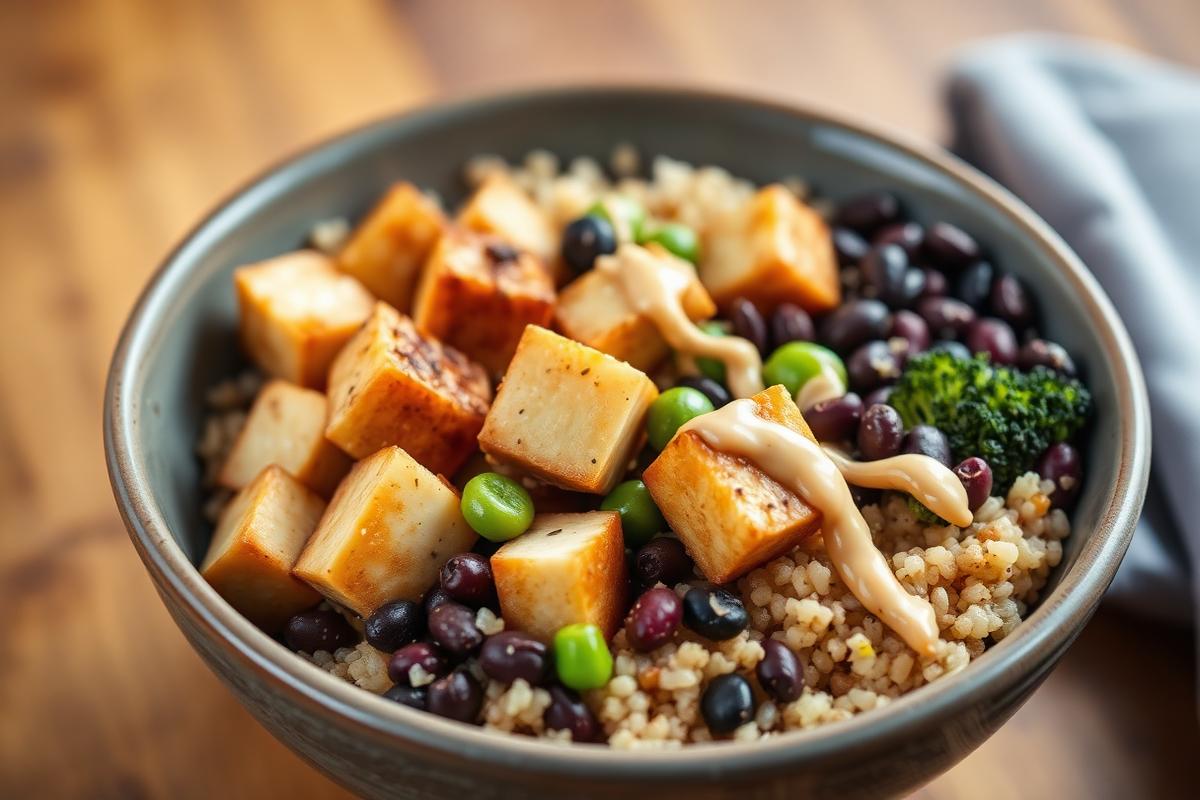
What is a complete protein — and does it really matter?
A complete protein is one that contains all nine essential amino acids in sufficient quantities. Essential amino acids are those the body cannot synthesise itself and must obtain from food. For decades, the assumption was that only animal foods were complete — and that plant proteins were therefore inferior.
That assumption was based on a misunderstanding of how protein metabolism works. The body maintains what is called a free amino acid pool — a reservoir of amino acids from all the foods eaten throughout the day, not just a single meal. When you eat lentils for lunch and rice in the evening, both contribute to this pool. The body draws from it as needed to synthesise proteins, regardless of whether those amino acids arrived in the same meal or ten hours apart.
The original protein combining theory — promoted widely in the 1970s — was actually retracted by its own author in a later edition of her book. Yet the myth persists. The practical reality is simple: if you eat a varied plant-based diet with enough total calories, you will almost certainly get all the amino acids you need.
How complete proteins actually work
A cup of cooked lentils delivers around 18 grams of protein. A cup of cooked chickpeas provides around 15 grams. A block of firm tofu has 20–25 grams depending on the brand. These are not trivial amounts — they are comparable to a small chicken breast.
Tofu, tempeh, edamame and quinoa are among the plant foods that are complete proteins on their own — meaning they contain all nine essential amino acids in a single serving. Two servings of any of them per day, alongside normal carbohydrates and vegetables, and you are comfortably in the healthy range for a sedentary to moderately active adult.
Athletes and highly active people may want slightly more — but that is true regardless of diet. Plant protein powders (pea, rice, hemp), seitan, and larger portions of legumes make hitting higher protein targets straightforward.
The best plant-based protein sources ranked
Tempeh leads the list. Made from fermented whole soybeans, tempeh contains around 19 grams of protein per 100 grams, all nine essential amino acids, and the fermentation process makes it more digestible than other soy products. Its dense, nutty texture makes it one of the most satisfying plant proteins to cook with.
Tofu comes in second for versatility. Silken tofu works in smoothies, dressings and desserts. Firm tofu can be crumbled, baked, pan-fried or marinated. Extra-firm tofu holds its shape in stir-fries and curries. Around 8–10 grams of protein per 100 grams, and complete.
Edamame — fresh or frozen young soybeans — provides about 11 grams of protein per 100 grams and can be eaten as a snack, added to rice dishes, or blended into dips. Seitan (wheat gluten) is the highest-protein plant food at around 25 grams per 100 grams and has a chewy, meat-like texture excellent for hearty dishes. Lentils and chickpeas provide 7–9 grams per 100 grams cooked and form the affordable backbone of most plant-based diets. Quinoa provides around 4 grams per 100 grams cooked but stands out because it is one of the few grains that is a complete protein.
“The best plant protein is the one you will actually eat regularly. Tempeh might be optimal on paper — but lentils at $1 a bag that you cook every week beats expensive supplements you forget to use.”
How much protein do you actually need?
The standard recommendation for sedentary adults is 0.8 grams of protein per kilogram of body weight per day. For a 70 kg person, that is 56 grams. For active people, the recommendation rises to 1.2–2.0 grams per kilogram depending on the type and intensity of training.
Most people on varied plant-based diets hit the sedentary recommendation without effort. The challenge arises for athletes, bodybuilders and people trying to build muscle while eating plants — but it is a challenge of planning and portion size, not of plant-based eating being fundamentally incompatible with high protein intake.
A practical daily target for an active plant-based eater: aim for a protein-rich food at every meal. That might be tofu scramble at breakfast, a lentil-based lunch and tempeh or seitan at dinner, with edamame or roasted chickpeas as a snack. That combination typically provides 80–110 grams of protein, more than enough for most fitness goals.
Protein digestibility — the DIAAS score explained
Beyond total protein content, nutritionists now assess proteins using the DIAAS (Digestible Indispensable Amino Acid Score), which accounts for how well the body actually absorbs and uses a protein. Animal proteins score high on DIAAS. Soy, chickpeas and lentils also score well. Wheat-based proteins score lower because they are lower in the amino acid lysine.
This does not mean wheat protein is useless — it means eating a range of proteins matters. Someone eating only pasta-based meals with no legumes might have a suboptimal amino acid profile. Someone eating lentils and tofu regularly will not have that problem.
Cooking methods also affect digestibility. Soaking and cooking dried legumes significantly improves their digestibility compared to eating them raw. Fermentation (as in tempeh and miso) further increases amino acid bioavailability. Sprouting increases it too. These are traditional food preparation techniques that have served plant-based populations well for thousands of years.
Practical daily protein meal planning
Breakfast: tofu scramble on wholegrain toast (approximately 20g protein), or overnight oats with soy milk, hemp seeds and peanut butter (approximately 18g protein).
Lunch: lentil soup with a wholegrain roll (approximately 22g protein), or a grain bowl with baked tofu, edamame, brown rice and tahini dressing (approximately 28g protein).
Dinner: tempeh stir-fry with vegetables and noodles (approximately 24g protein), or black bean tacos with cashew sour cream (approximately 20g protein).
Snacks: roasted chickpeas (approximately 8g per half cup), peanut butter on apple (approximately 7g), edamame (approximately 11g per 100g). A full day on this pattern easily exceeds 90g protein without any supplements — demonstrating clearly that plant-based eating and adequate protein are entirely compatible.
“A varied whole-food plant-based diet naturally delivers all the essential amino acids you need. No combining, no spreadsheets — just eat a range of legumes, grains, nuts and seeds throughout the day.”
What about protein powder?
Plant-based protein powders are a convenient tool, not a necessity. Pea protein is the most popular because of its good amino acid profile, mild taste and smooth texture. Brown rice protein is lower in lysine but blends well with pea protein — many products combine the two for a more complete profile. Hemp protein contains all essential amino acids plus omega-3 fatty acids and fibre, though it has a stronger flavour.
If you exercise regularly and find it difficult to hit your protein targets from whole foods, a daily protein shake is a practical solution. But for most people eating three balanced plant-based meals per day, a supplement is unnecessary.
If you do use protein powder, look for products with minimal added ingredients — no artificial sweeteners, no proprietary blends, and third-party tested where possible. A simple pea or pea-rice blend is all you need.