Nutrition
Is Pea Protein a Complete Protein?
By VeganRecipesHub Editorial Team · Updated Oct 18, 2026
Pea protein has all nine essential amino acids but is low in methionine. Here is what that means in practice.
What the methionine catch means
Pea protein is rich in lysine and in the branched chain amino acids, but it has less methionine than the ideal pattern. That is why you will see it described as both complete and incomplete. Both are partly right. It has everything, with one amino acid on the low side.
How to round it out
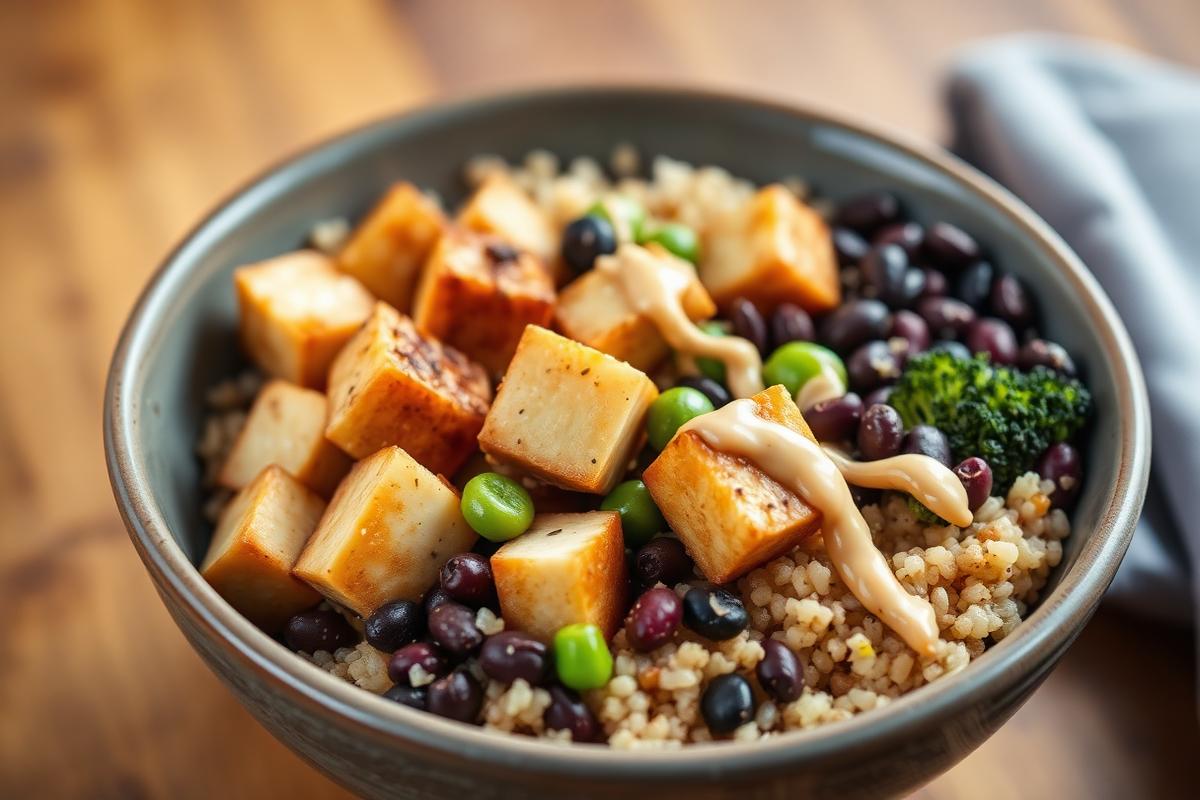
Pair pea protein with a grain or seed, which tend to be higher in methionine. Rice protein, oats, quinoa, brown rice and hemp seeds all work. This is why many powders blend pea and rice protein. You do not need to combine them in the same shake. Eating a mix of foods across the day covers it.
Pea protein vs soy
Soy protein has a more even amino acid profile, so tofu and tempeh are complete without any pairing. Pea protein is a good soy-free option for people who avoid soy.
Pea protein powder vs whole peas
Whole green peas have about 8 g of protein per cooked cup. Pea protein powder is concentrated, so a scoop usually gives 20 to 25 g, depending on the brand. Check your label.
Ways to use pea protein
Blend it into smoothies with oats and banana, stir it into oatmeal or pancake batter, or add it to energy bites. It can taste earthy, so fruit, cocoa and peanut butter help. Browse our smoothie recipes and protein recipes for ideas.
Common questions
Do I need to mix pea protein with rice protein?
No. It is a handy shortcut, but a varied diet across the day gives the same result.
Is pea protein better than soy protein?
Neither is better for everyone. Soy has a more even profile, pea is soy-free. Pick the one that suits your diet and taste.
How much protein is in a scoop of pea protein?
Usually 20 to 25 g, but it varies by brand. The label is the reliable source.
Related
Sources and further reading
- Protein — Harvard T.H. Chan School of Public Health, The Nutrition Source
- Dietary protein quality evaluation in human nutrition — Food and Agriculture Organization of the United Nations (FAO)
- Nutrition information about protein and plant-based protein — British Nutrition Foundation
This guide is general information, not medical advice. For personal advice, speak to a registered dietitian or your GP.