WFPB Diet vs Junk Food Vegan: Key Core Differences
2026-07-12
Veganism is growing rapidly across the globe. However, not all plant-based diets are equal. Many people switch to veganism for better health. Then, they fall into a dangerous trap. This trap is the "junk food vegan" diet.
Supermarket shelves are full of vegan products today. You can find vegan pizzas, burgers, and ice creams. These items contain no animal products. Therefore, they fit the strict definition of veganism. Moreover, marketers use clever labels to make them seem healthy.
However, animal-free does not always mean healthy. A diet full of processed vegan foods can harm your body. It can cause weight gain and chronic disease. Conversely, a Whole Food Plant-Based (WFPB) diet focuses on unrefined ingredients. It provides abundant nutrients and promotes longevity.
Therefore, understanding the difference is vital for your health. This article explores both dietary approaches. We will examine their nutritional profiles and health impacts.
What is a Whole Food Plant-Based (WFPB) Diet?
A WFPB diet focuses on foods in their natural state. It eliminates animal products completely. Moreover, it drastically reduces highly processed items.
The primary focus is on whole ingredients. You eat foods that look like their original form. Therefore, an apple is better than apple juice. Brown rice is better than white flour.
This diet centers around several core food groups.
Core Foods of a WFPB Diet
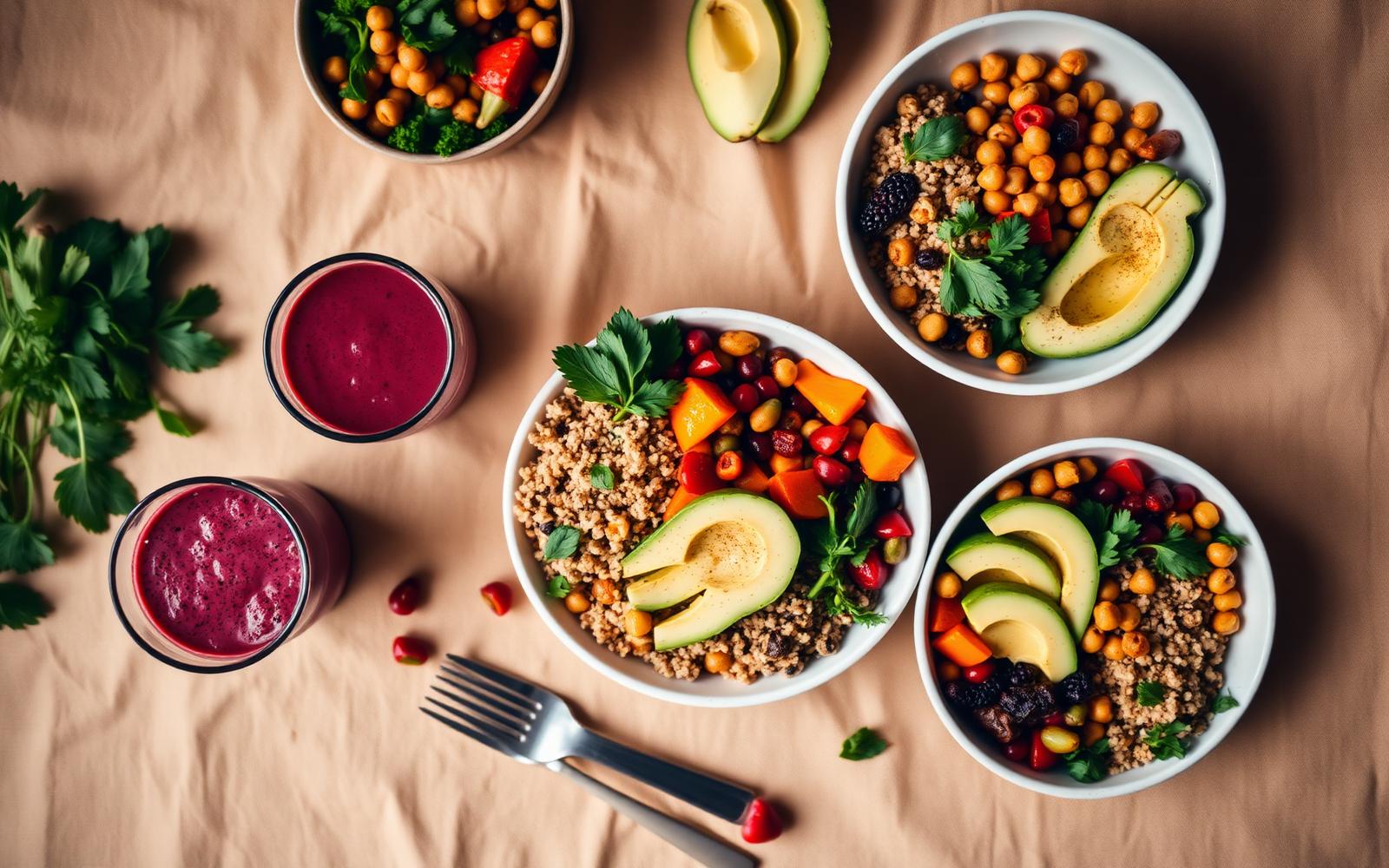
Vegetables: Dark leafy greens, broccoli, carrots, and sweet potatoes.
Fruits: Berries, apples, bananas, and citrus fruits.
Whole Grains: Oats, quinoa, brown rice, and barley.
Legumes: Beans, lentils, chickpeas, and peas.
Nuts and Seeds: Almonds, chia seeds, flaxseeds, and walnuts.
These foods are packed with vital nutrients. They contain fiber, vitamins, and powerful antioxidants. Furthermore, they keep you full for longer periods. Harvard Medical School regularly highlights the profound benefits of eating whole plant foods.
What to Avoid on a WFPB Diet
A strict WFPB diet avoids certain foods completely.
Animal Products: Meat, dairy, eggs, and honey.
Refined Grains: White bread, white pasta, and white rice.
Added Sugars: High-fructose corn syrup, cane sugar, and agave.
Extracted Oils: Olive oil, coconut oil, and canola oil.
Eliminating extracted oils is a key feature here. Oils are calorie-dense and lack fiber. Therefore, WFPB advocates prefer getting fats from whole foods. You eat the whole olive instead of olive oil. You eat the avocado instead of avocado oil.
What is a "Junk Food Vegan" Diet?
The term "junk food vegan" describes a specific eating pattern. It strictly excludes all animal products. However, it relies heavily on highly processed foods.
Years ago, being vegan meant eating mostly vegetables. Vegan junk food simply did not exist. Today, the market has changed dramatically. Food scientists have created plant-based versions of every fast-food item.
You can now buy vegan fried chicken. You can eat vegan bacon and vegan cheese. Moreover, many traditional junk foods are accidentally vegan. Potato chips, certain cookies, and sugary sodas contain no animal parts. Therefore, a person can eat terribly while remaining strictly vegan.
The Rise of Ultra-Processed Vegan Foods
Plant-based meats are incredibly popular today. Companies use isolated plant proteins to mimic meat. They add massive amounts of sodium for flavor. Furthermore, they use saturated fats like coconut oil for texture.
These products are marvels of food engineering. However, they are not health foods. They are ultra-processed products. The National Institutes of Health warns that ultra-processed foods drive overeating. They disrupt our natural hunger signals. Therefore, they lead directly to weight gain.
The "Health Halo" Effect
Many consumers suffer from the "health halo" effect. They see a "vegan" label on a package. Subsequently, they assume the product is inherently healthy.
This is a dangerous misconception. A vegan doughnut is still a doughnut. It contains refined flour and massive amounts of sugar. It is fried in heavy oil. Moreover, a vegan frozen pizza often contains more sodium than a regular one.
We must read labels carefully. Relying on marketing buzzwords is a poor health strategy. Check out our guide on reading nutrition labels for more information.
Key Differences Summarized
Understanding the exact differences helps you make better choices. The table below highlights the stark contrasts between the two diets.
FeatureWhole Food Plant-BasedJunk Food VeganPrimary FocusWhole, unrefined plant foodsEliminating animal productsFiber ContentExtremely highVery lowAdded SugarNone or very minimalVery highSodium LevelsNaturally lowDangerously highSaturated FatLow (mainly from nuts/seeds)High (from coconut/palm oils)Nutrient DensityExtremely highVery low (empty calories)
Nutritional Breakdown
Let us examine the specific nutritional differences. Both diets exclude animal products. However, their internal chemistry is vastly different.
Fiber Content
Fiber is crucial for human health. It feeds our gut microbiome. Furthermore, it regulates blood sugar levels.
A WFPB diet provides massive amounts of dietary fiber. Beans, greens, and whole grains are fiber powerhouses. Therefore, WFPB eaters easily exceed daily fiber recommendations.
Conversely, processing strips foods of their natural fiber. A junk food vegan eats refined grains. They consume isolated proteins. These foods offer almost zero fiber. Therefore, digestion suffers immensely.
Sodium and Blood Pressure
High sodium intake causes hypertension. It places immense strain on your cardiovascular system.
Whole plant foods contain virtually no sodium. A sweet potato has negligible sodium. A cup of lentils is naturally low in salt.
However, processed vegan meats are sodium bombs. Manufacturers rely on salt to mask the taste of isolated proteins. A single vegan burger patty can contain your entire daily sodium limit. Moreover, vegan cheeses are heavily salted. This drives blood pressure up rapidly.
Fats and Oils
Your body needs healthy fats to function. Brain health relies on adequate fat intake.
On a WFPB diet, you eat intact fats. You consume walnuts, chia seeds, and avocados. These foods package their fats with fiber and vitamins. Therefore, your body absorbs them slowly.
Junk food vegans consume extracted, refined oils. Many processed vegan foods use palm oil or coconut oil. These are highly concentrated sources of saturated fat. Excessive saturated fat raises LDL cholesterol. This increases your risk of heart attacks.
Health Implications
Diet dictates your long-term health outcomes. Let us look at how these two diets affect chronic disease.
Heart Disease Risk
Heart disease remains a leading cause of death globally.
A WFPB diet is highly protective against heart disease. It lowers cholesterol levels naturally. It reduces arterial inflammation. Moreover, studies in PubMed show that WFPB diets can actually reverse heart disease.
Junk food veganism offers no such protection. Consuming refined oils and high sodium damages blood vessels. Eating highly processed plant meats raises bad cholesterol. Therefore, a junk food vegan may have the same heart risk as a heavy meat eater.
Diabetes and Blood Sugar
Type 2 diabetes is an epidemic. It is driven by insulin resistance.
Whole grains and legumes digest very slowly. They provide a steady, gentle release of glucose. Furthermore, the high fiber prevents sudden blood sugar spikes. Therefore, a WFPB diet effectively prevents and manages type 2 diabetes.
Junk food vegans eat refined sugars and white flours. These simple carbohydrates hit the bloodstream instantly. They cause massive insulin spikes. Over time, this constant spiking leads directly to insulin resistance.
Weight Management
Obesity is linked to numerous health complications.
Whole plant foods are naturally low in caloric density. You can eat a massive bowl of vegetables and beans. It will contain very few calories. However, it will make you feel completely full. Therefore, WFPB eating promotes effortless weight loss.
Processed vegan junk food is hyper-palatable. It is engineered to make you overeat. The combination of salt, fat, and sugar overrides your fullness signals. A bag of vegan chips contains hundreds of empty calories. Therefore, junk food vegans frequently struggle with weight gain.
If you are struggling with weight, read our plant-based weight loss strategies.
The Environmental Impact
Many people choose veganism to save the planet. Animal agriculture is highly destructive to the environment. However, we must also consider food processing.
Processing and Packaging
Whole foods require minimal processing. An apple is picked, washed, and shipped. It often requires no plastic packaging. Therefore, its carbon footprint is extremely low.
Processed vegan foods require massive industrial intervention. Factories extract proteins from peas or soy. They undergo intense chemical and thermal processing. Furthermore, the final product requires heavy plastic packaging. This processing demands immense fossil fuel energy.
Agricultural Practices
WFPB diets encourage eating a wide variety of crops. This promotes biodiversity. It keeps soil healthy and resilient.
Conversely, processed vegan foods rely heavily on monocrops. They use immense amounts of conventional soy and corn. Monocropping destroys soil quality over time. Moreover, it requires heavy pesticide and herbicide use. Therefore, a WFPB diet is vastly superior for environmental health.
How to Transition from Junk Food Vegan to WFPB
Are you currently eating a junk food vegan diet? Transitioning to a WFPB lifestyle is entirely possible. It just requires patience and a solid plan.
Step 1: Start Adding, Not Subtracting
Do not restrict your current diet immediately. Start by adding whole foods to your daily routine. Add a side salad to your vegan pizza. Throw some berries into your vegan cereal.
This builds positive habits slowly. Over time, your palate will begin to change. Your body will start craving the actual nutrients.
Step 2: Swap Refined Grains for Whole Grains
This is an easy and effective step. Stop buying white bread immediately. Switch to 100% whole wheat bread. Trade white pasta for lentil or brown rice pasta.
Furthermore, swap white rice for quinoa or barley. These simple changes massively increase your daily fiber intake.
Step 3: Cook More Meals at Home
Restaurants rely heavily on oil and salt. Even "healthy" vegan restaurants use hidden fats to boost flavor.
Cooking at home gives you total control. You dictate exactly what goes into your body. Start with simple recipes. Try making a hearty lentil soup. Bake some sweet potatoes.
Check our beginner WFPB recipe guide for simple meal ideas.
Step 4: Find Whole Food Replacements
You do not have to give up your favorite textures. You just need to find whole food alternatives.
Do you love burgers? Stop buying processed fake meat patties. Make a burger using black beans and oats. Do you love cheese? Blend soaked cashews with nutritional yeast. This creates a creamy, delicious sauce without the refined oils.
Reading Labels Effectively
Supermarkets are minefields of deceptive marketing. You must learn to read labels critically.
Ignore the Front Packaging
The front of the package is pure marketing. It is designed to sell the product. Terms like "all-natural" or "plant-powered" mean absolutely nothing. Moreover, the "vegan" label only guarantees the absence of animal products.
Analyze the Ingredients List
Turn the package over immediately. Look at the ingredients list first. The ingredients are listed by weight.
If the first ingredient is sugar, put it down. If you see highly processed oils, leave it on the shelf. A good rule of thumb is the "five-ingredient rule." If a product has more than five ingredients, it is likely highly processed. Furthermore, avoid products with unpronounceable chemical additives.
Check the Nutritional Facts
Always check the sodium content per serving. Compare it to the total calories. Ideally, the milligrams of sodium should not exceed the number of calories.
Check the dietary fiber. If a carbohydrate-heavy product has zero fiber, it is highly refined. Therefore, you should avoid it.
Cost Comparison: Is WFPB More Expensive?
A common myth suggests that healthy eating is expensive. This is completely false.
The High Cost of Vegan Junk Food
Processed vegan alternatives are incredibly expensive. A tiny package of vegan cheese can cost six dollars. A four-pack of vegan burgers often exceeds eight dollars.
Companies charge a massive premium for these processed items. If you rely on them, your grocery bill will skyrocket. Therefore, junk food veganism is a very expensive lifestyle.
The Affordability of Whole Foods
Whole plant foods are the cheapest foods on earth. Dried beans, lentils, and brown rice cost pennies per serving. Potatoes and carrots are incredibly affordable everywhere.
When you base your diet around these staples, your food costs drop. You save a tremendous amount of money. Furthermore, buying grains and legumes in bulk saves even more.
If you are on a strict budget, read our guide to eating WFPB on a budget.
Overcoming Social Challenges
Changing your diet can cause friction with friends and family. Social gatherings often revolve around unhealthy foods.
Communicate Clearly
Tell your friends about your new health goals. Explain the difference between WFPB and standard veganism. Keep the conversation focused on your own health. Avoid preaching or judging their food choices.
Bring Your Own Food
If you are attending a party, bring a dish. Make a massive batch of healthy WFPB chili. Bring a large, vibrant salad.
This guarantees you will have something healthy to eat. Moreover, it allows others to taste delicious whole foods. It proves that healthy eating is not boring.
Conclusion
The "vegan" label does not guarantee good health. Eliminating animal products is only the first step. True wellness requires focusing on the quality of your food.
A junk food vegan diet is full of refined sugars and oils. It causes inflammation and promotes weight gain. Therefore, it is not a sustainable path to long-term health.
Conversely, a Whole Food Plant-Based diet is incredibly healing. It floods your body with fiber and vital nutrients. It prevents chronic diseases naturally. Moreover, it provides sustained energy throughout your day.
Make the switch gradually. Focus on whole, unrefined ingredients. Read labels carefully. Your body and your health will thank you deeply.
Loved These Recipes? 🌿 You've Only Seen a Few Out of 200+
The Complete Plant-Based Cookbook includes 200+ recipes across every category — breakfast, lunch, dinner, snacks, desserts and meal prep guides. Newly updated for 2026.
- ✅ 200+ Plant-Based Recipes
- ✅ 30-Day Vegan JumpStart Guide
- ✅ 100 Plant-Based Smoothie Recipes
- ✅ Instant Digital Download
- ✅ Beginner Friendly
Instant digital access • One-time payment • 60-Day Money Back Guarantee